

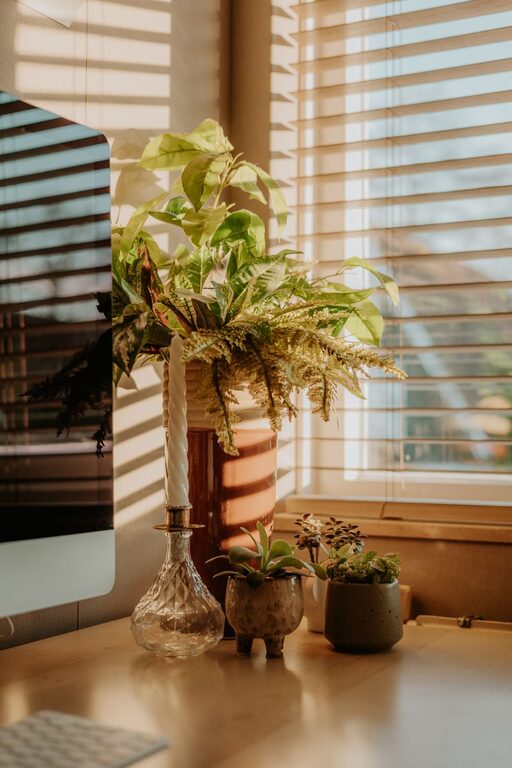
Creating a cozy and functional home office space is essential for anyone working or studying from home. A well-designed workspace helps improve concentration, creativity, and overall well-being. Whether you have a dedicated room or just a small corner, these tips will help you set up a home office that feels comfortable and supports your daily tasks.
Choose the Right Location
Selecting the best spot for your home office is the first step. Ideally, find a quiet area away from distractions like televisions or high-traffic zones. If you can, choose a space with natural light, as it can boost mood and productivity.
Consider these factors:
– Proximity to power outlets for your electronics
– Enough space for your desk and storage needs
– Minimal noise interruptions
– Good ventilation and lighting
If space is limited, a corner of your living room or bedroom can be transformed into a functional office with smart design choices.
Invest in Comfortable and Supportive Furniture
Since you’ll spend a lot of time at your desk, comfort is key. A good chair and desk can prevent back pain and promote good posture.
Tips for choosing furniture:
– Select an ergonomic chair with adjustable height and lumbar support
– Opt for a desk at the right height for typing and writing
– Make sure there’s enough surface area for your computer, notebooks, and other essentials
– Consider adjustable desks that allow you to alternate between sitting and standing
Adding a footrest or cushions can also enhance comfort.
Optimize Lighting
Lighting is crucial in a home office. Poor lighting can cause eye strain and fatigue.
Best lighting practices:
– Use natural light as much as possible by placing your desk near a window
– Avoid harsh overhead lighting; instead, use soft, diffused light sources
– Add a desk lamp with adjustable brightness for focused tasks
– Position screens to reduce glare and reflections
Warm light bulbs often create a cozier atmosphere, while cooler lights may help maintain alertness.
Organize Your Workspace Efficiently
A clutter-free workspace is more inviting and helps maintain focus.
Organizing ideas:
– Use drawers, shelves, or filing cabinets to store documents and supplies
– Incorporate desk organizers for pens, notepads, and gadgets
– Label storage spaces to quickly find what you need
– Keep frequently used items within arm’s reach to reduce distractions
Regularly declutter to keep the area tidy and inviting.
Add Personal Touches
Personalizing your workspace can make it more enjoyable and inspiring. However, it’s important to balance aesthetics with functionality.
Ways to personalize:
– Hang artwork or photos that motivate you
– Use plants to bring life and fresh air to your desk area
– Choose colors that you find calming or energizing, such as pastel blues or soft greens
– Display meaningful objects or souvenirs that bring joy
Ensure that decorations don’t overcrowd your desk or become distractions.
Use Technology Wisely
Equip your home office with technology that supports your work while minimizing distraction.
Technology tips:
– Invest in a reliable computer or laptop suited for your tasks
– Use noise-canceling headphones if you need to focus in noisy environments
– Set up a wireless keyboard and mouse for ergonomics and flexibility
– Utilize organizational and productivity apps to keep track of tasks and deadlines
Cable management solutions can keep your workspace neat and prevent tangling wires.
Create Zones for Different Activities
If your space allows, divide your home office into zones to separate various types of work.
Zone ideas:
– A main desk area for computer work
– A sitting area with comfortable chairs for reading or brainstorming
– A storage zone for books, files, and materials
– A small table or surface for crafting or meetings
Zoning can help mentally separate different tasks and make the workflow smoother.
Maintain Good Air Quality and Temperature
A comfortable home office isn’t just about appearance; the environment matters too.
Tips for comfort:
– Keep windows open to circulate fresh air, weather permitting
– Use a fan or heater to maintain a comfortable temperature year-round
– Consider an air purifier if you’re in an area with allergens or pollution
Feeling physically comfortable encourages longer, more productive work sessions.
Set Boundaries and Establish Routine
Finally, a cozy and functional home office includes habits that respect your work-life balance.
Helpful habits:
– Define specific work hours and stick to them
– Use visual cues, such as closing a door or turning on special lighting, to signal work time
– Take regular breaks to stretch and rest your eyes
– Avoid working in bed or on the couch to keep work and relaxation spaces separate
Creating a routine helps your mind switch between work and personal time smoothly.
—
By incorporating these tips, you can design a home office that is both warm and efficient, making your work-from-home experience more pleasant and productive. Remember, your home office should reflect your needs and style, so feel free to adapt these suggestions to what works best for you.